Leading While Healing: Navigating Recovery in the Executive Suite

For executives and high-level professionals, the path to success is often paved with long hours, relentless pressure, and the constant weight of responsibility. While many thrive under these conditions, others quietly struggle with stress, burnout, and the temptation of substances to cope. Addiction does not discriminate, and even the most accomplished leaders can find themselves in need of help. The challenge lies in navigating recovery while still maintaining the demands of leadership. Fortunately, executive-focused treatment programs make it possible to heal without sacrificing one’s role in the boardroom.

The Hidden Strain of Leadership

Behind the polished image of confidence and control, many executives face overwhelming levels of stress. Constant decision-making, financial responsibility, and public visibility can create a cycle of exhaustion that is difficult to escape. For some, alcohol, stimulants, or prescription medications become unhealthy ways to manage the pressure.

The danger is that these coping strategies can quickly evolve into dependence. Unlike others, executives often face the added barrier of stigma, fearing that seeking treatment could damage their reputation or career. This fear keeps many leaders suffering in silence far longer than they should.

Why Executives Need Specialized Addiction Recovery

Balancing Responsibility and Healing

Unlike traditional treatment settings, executive rehab centers recognize the unique needs of high-level professionals. Leaders often cannot simply disconnect from work. That is why many programs are designed with flexibility in mind, allowing access to communication tools and structured time to manage professional obligations alongside treatment.

Confidentiality and Trust

Privacy is critical for executives. Confidential care ensures that leaders can seek help without concerns about exposure or professional repercussions. Discreet environments give clients peace of mind as they focus on healing.

Individualized, Holistic Care

Executive treatment programs go beyond managing addiction. They address the whole person by incorporating physical health, emotional resilience, and spiritual renewal. With options like faith-based therapy, mindfulness practices, fitness programs, and counseling, these centers help leaders rebuild balance in all areas of life.

The Role of Mental Health in Recovery

Addiction and mental health are deeply connected. Stress, anxiety, and depression are common among executives, often fueling substance use. Comprehensive recovery programs integrate mental health treatment alongside addiction care. By addressing both, executives are equipped with healthier coping strategies that strengthen leadership and improve overall well-being.

Restoring Leadership Through Recovery

Recovery does not diminish leadership ability. In fact, it often enhances it. Executives who take the time to heal rediscover clarity, focus, and resilience. They learn to set healthier boundaries, lead with authenticity, and inspire others through their courage and commitment to change.

By choosing a treatment program that respects the responsibilities of leadership while prioritizing personal health, executives can move forward stronger than before.

Healing Without Stepping Away from Leadership

Addiction recovery for executives is not about stepping back from success. It is about learning how to lead from a place of strength, clarity, and balance. At Megumi Counseling & Recovery, clients find compassionate, confidential, and individualized care designed to meet the unique challenges of high-performing professionals.

If you or someone you know is navigating the pressures of leadership while struggling with addiction, now is the time to seek support. With the right program, it is possible to heal, restore balance, and continue leading with purpose.
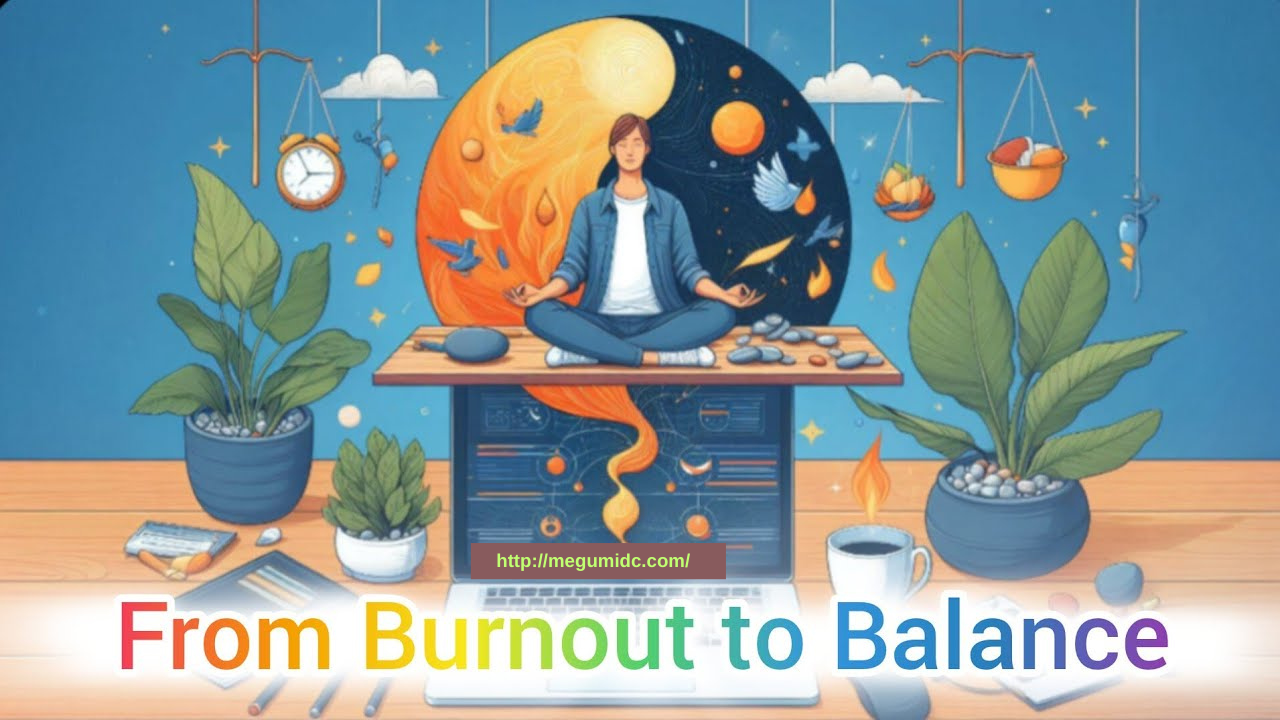

From Burnout to Balance: Addiction Treatment for the High-Performing Professional

High-performing professionals are often admired for their drive, discipline, and ability to achieve at the highest levels. From corporate executives to entrepreneurs, their lives are marked by ambition and accomplishment. Yet behind the achievements, many carry a hidden weight. Chronic stress, long hours, and constant pressure can create the perfect storm for burnout and, in some cases, substance use. Addiction treatment for professionals is not only about recovery. It is about restoring balance, reclaiming health, and creating a more sustainable path to success.

Understanding Burnout and Its Link to Addiction

Burnout is more than fatigue. It is a state of physical and emotional exhaustion that affects focus, motivation, and relationships. Professionals experiencing burnout may feel drained, detached, or overwhelmed, making it difficult to perform at their best.

In an effort to cope, some turn to alcohol, stimulants, or prescription medications. While these substances may provide temporary relief, they can quickly create dependency. Addiction develops silently, often hidden by the professional image of control and competence. Without proper treatment, the cycle of stress and substance use becomes harder to break.

Unique Challenges for High-Performing Professionals

The Pressure to Maintain Control

Executives and leaders often believe they must always appear strong. Admitting to addiction can feel like a threat to their reputation or career.

Reluctance to Step Away

Many professionals fear that taking time off for treatment will disrupt their work or harm their business. This hesitation can delay care until the situation becomes critical.

Isolation in Leadership

Success can create distance. High achievers may feel they cannot confide in peers or colleagues, leaving them to face struggles alone.

A Compassionate and Specialized Approach to Treatment

At Megumi Medical and Dental Center, we understand that recovery for professionals requires more than standard care. Our programs combine evidence-based treatment with holistic, faith-based, and individualized approaches to address the whole person, not just the symptoms.

Confidential and Respectful Care

Privacy is essential. Our team provides discreet treatment that allows professionals to focus on healing without fear of stigma.

Inpatient and Outpatient Options

Whether a client needs immersive residential care or a flexible outpatient program, we provide options that meet individual needs and professional responsibilities.

Holistic Healing for Mind, Body, and Spirit

Addiction is not only physical. Our programs include therapies such as mindfulness, fitness, nutrition counseling, and spiritual support to restore balance and resilience.

Individualized Care Plans

Every professional’s journey is unique. Our specialists design personalized plans that address co-occurring mental health concerns such as anxiety or depression, while also teaching stress management and healthy coping skills.

Building a Life of Balance and Wellness

Addiction treatment is not the end of ambition. It is the beginning of a healthier, more sustainable version of success. Professionals who choose recovery often discover renewed energy, sharper decision-making, and a deeper sense of purpose.

Taking the First Step Toward Healing

From burnout to balance, recovery is possible. Seeking help is not a weakness but a powerful act of leadership and self-care. If you or someone you know is a high-performing professional struggling with addiction, now is the time to reach out. At Megumi Medical and Dental Center, we are here to provide compassionate, individualized support that guides you toward lasting recovery and restored wellness.

Power, Privilege, and Pain: Why Executives Face Unique Obstacles in Recovery

In the public eye, corporate leaders often appear to have it all. They hold influence, financial security, and the respect of their peers. Yet beneath the surface, many executives quietly battle personal struggles that success cannot shield them from. Addiction and mental health challenges can affect anyone, and for those in positions of power, the road to recovery can be particularly complex. The intersection of power, privilege, and pain creates unique obstacles that require equally specialized solutions.

The Hidden Struggles of High-Level Professionals

Executives live in a constant state of high stakes. Decisions they make can impact hundreds or thousands of people, and the pressure to perform is unrelenting. The weight of these responsibilities often leads to chronic stress, burnout, and in some cases, dependency on substances to cope. Because they are adept at projecting confidence and control, many leaders conceal their struggles until they become overwhelming.

Why Recovery Is Different for Executives

Stigma and Reputation

High-profile professionals fear that admitting to a substance use disorder could damage their reputation or jeopardize their career. This stigma creates a barrier to seeking help, as many worry about confidentiality and the potential for judgment.

Relentless Work Demands

Stepping away from work for treatment can feel impossible when a company depends on their leadership. Many executives delay care because they believe their absence would cause instability or lost opportunities.

Isolation at the Top

Leadership can be a lonely place. Trusted confidants are rare, and personal struggles may not be shared with colleagues, friends, or even family. This isolation can deepen the cycle of stress and self-medication.

How Specialized Treatment Centers Bridge the Gap

For executives, a standard rehabilitation program may not address the demands of their lifestyle or the pressures they face. Specialized executive rehab programs provide a discreet, personalized approach that blends clinical expertise with flexible treatment options.

Confidentiality and Discretion

Executive rehab facilities understand the importance of privacy. Private accommodations, secure communication channels, and discreet locations ensure that clients can focus on recovery without fear of exposure.

Integrated Mental Health Support

Addiction often coexists with anxiety, depression, or other mental health concerns. Comprehensive programs treat both the substance use disorder and the underlying emotional factors, ensuring lasting change.

Holistic and Faith-Based Healing

Many centers combine evidence-based medical care with holistic therapies such as mindfulness, nutrition counseling, fitness programs, and spiritual support. This whole-person approach helps restore balance to mind, body, and spirit.

Individualized Care Plans

Executives benefit from tailored programs that respect their professional obligations. Some centers provide private workspaces and flexible schedules, allowing them to maintain essential business functions while in treatment.

Moving from Pain to Purpose

Recovery is not a step backward. For many executives, it becomes the turning point that restores clarity, strengthens leadership skills, and renews personal purpose. Choosing to seek help is a powerful act of leadership in itself, demonstrating resilience and a commitment to sustainable success.

If you or someone you know is a high-level professional struggling with addiction, confidential and compassionate care is available. With the right support, it is possible to overcome the obstacles of power and privilege and step into a healthier, more balanced future.

When Ambition Backfires: Addiction Recovery in High-Pressure Professions

In the modern professional world, ambition is often celebrated as the ultimate virtue. High-performing individuals in industries like finance, law, medicine, and executive leadership are admired for their tireless drive, relentless pursuit of success, and willingness to push past limits. But there’s a darker side to that ambition—one that’s rarely acknowledged. For many, the same qualities that fuel their rise to the top can also lead them straight into burnout, anxiety, and substance abuse. When ambition backfires, addiction is often the hidden price of success.

The Double-Edged Sword of Drive

Professionals in high-stakes careers are constantly under pressure to perform. They work long hours, manage intense workloads, and are held to exceptionally high standards. The reward? Recognition, financial gain, and status. But the cost? Often their physical and mental health.

To keep up with these demands, many professionals rely on substances—whether it’s stimulants to enhance focus, alcohol to unwind, or sedatives to combat sleeplessness. At first, these substances may seem like tools for productivity or relief. But over time, they become coping mechanisms that mask deeper issues: stress, emotional exhaustion, anxiety, and a lack of work-life balance.

Addiction in high-pressure professions often develops quietly, hidden beneath polished appearances and high-functioning performance. The very image of success can delay recognition of the problem until it becomes severe.

Breaking Through the Denial

One of the most significant barriers to recovery in high-pressure fields is denial. Driven individuals are used to solving problems, pushing through discomfort, and staying in control. Admitting to a substance use issue can feel like a personal failure, a loss of the very control they’ve worked so hard to maintain.

There’s also the fear of professional consequences—of being seen as weak, unreliable, or unfit. As a result, many professionals continue to suffer in silence, putting their health, relationships, and careers at greater risk.

The Role of Specialized Recovery Programs

Fortunately, recovery options are evolving to meet the needs of ambitious professionals. Executive and professional rehab programs offer tailored treatment approaches that address both addiction and the unique stressors of high-pressure roles. These programs prioritize:

  • Confidentiality: Ensuring privacy and discretion to protect reputations and careers.
  • Flexible Treatment Models: Allowing clients to stay connected to work while undergoing care.
  • Individualized Therapy: Focusing on the specific triggers and pressures associated with the client’s profession.
  • Holistic Wellness: Incorporating strategies like mindfulness, fitness, nutrition, and emotional resilience training.
  • Post-Recovery Planning: Supporting clients in developing healthy boundaries, relapse prevention strategies, and sustainable work-life balance.

From Breakdown to Breakthrough

Addiction recovery in high-pressure professions is not a retreat from success—it’s a realignment of priorities. It’s a chance to redefine ambition not as relentless output but as balanced, purpose-driven achievement. Recovery allows professionals to reconnect with their values, restore their health, and build a more sustainable path to success.

When ambition backfires, it can serve as a wake-up call—a reminder that pushing harder isn’t always the answer. Sometimes, true strength comes from stepping back, seeking support, and choosing healing over hustle.

The CEO’s Dilemma: Balancing Success, Stress, and Sobriety

At the top of the corporate ladder, life may look like a pinnacle of success—wealth, power, and prestige. Yet behind the closed doors of boardrooms and luxury offices, many CEOs are quietly battling a different reality: the exhausting toll of leadership, chronic stress, and, for some, struggles with addiction. Balancing success, stress, and sobriety is one of the most difficult challenges for today’s high-performing executives.

The High-Stakes Pressure of Leadership

CEOs operate in a relentless environment. Every decision can have far-reaching consequences, from shareholder profits to employee livelihoods. The expectation to deliver results, innovate constantly, and manage crises often leads to burnout. Unfortunately, many executives cope with this overwhelming pressure through unhealthy means—turning to alcohol, stimulants, prescription medications, or other substances to stay focused, energized, or simply to unwind.

What begins as a coping mechanism can quickly spiral into dependency. The very traits that help CEOs climb the corporate ranks—confidence, control, and drive—can also make it harder for them to acknowledge vulnerability or ask for help. Addiction becomes a hidden problem, one that is difficult to confront when the world expects perfection.

The Fear of Losing Control

For CEOs, the fear of losing control is often the biggest barrier to seeking treatment. There’s a common worry that stepping away from business responsibilities, even briefly, could risk company stability, damage reputation, or lead to professional setbacks. Additionally, the stigma around addiction can be more severe for leaders who are expected to model success and resilience.

This dilemma leaves many CEOs trapped between the need for recovery and the fear of professional consequences. However, avoiding treatment only compounds the risks—long-term substance abuse can lead to cognitive decline, poor decision-making, health crises, and even corporate scandals.

Executive Rehab: A Tailored Solution

Fortunately, executive rehab programs are designed with these challenges in mind. These specialized treatment centers offer discreet, flexible, and highly personalized care for high-level professionals. They understand the importance of confidentiality, providing private accommodations and secure environments where CEOs can receive treatment without public exposure.

Executive rehab programs also accommodate the realities of leadership. Many offer private workspaces, secure communication tools, and flexible scheduling that allows CEOs to maintain essential business connections while focusing on recovery. Treatment plans are customized to address not just substance abuse but also the root causes—stress management, burnout, and co-occurring mental health conditions like anxiety or depression.

Redefining Leadership Through Recovery

Recovery doesn’t mean stepping away from leadership—it means redefining what true success looks like. By prioritizing sobriety and wellness, CEOs can regain clarity, improve decision-making, and foster healthier professional and personal lives. Leadership is not about being invincible; it’s about making courageous, forward-thinking choices—including the decision to seek help when it’s needed.

The CEO’s dilemma is real, but so is the path to recovery. With the right support, executives can balance success, stress, and sobriety, returning to their roles stronger, healthier, and with renewed purpose.

Luxury, Privacy, and Healing: The Appeal of Exclusive Rehab Centers for Professionals

In the world of high-achieving professionals, image, performance, and prestige are everything. But behind the polished résumés and corner offices, many business leaders, celebrities, and entrepreneurs struggle with substance abuse and mental health challenges. For these individuals, traditional treatment settings often lack the discretion, customization, and comfort they need. That’s where exclusive rehab centers come in—offering a sanctuary of luxury, privacy, and healing specifically designed for professionals who need support without compromising their identities or careers.

The Silent Crisis Among Professionals

Professionals in leadership roles often face relentless pressure. The burden of responsibility, public scrutiny, long hours, and high-stakes decisions can lead to chronic stress, anxiety, and burnout. When left unchecked, these factors often drive individuals to seek temporary relief through alcohol, prescription drugs, or other substances.

However, many professionals avoid seeking help for fear of reputational damage, loss of career momentum, or lack of privacy. Admitting the need for treatment can feel like risking everything they’ve worked for. Exclusive rehab centers understand these concerns and provide a safe, supportive path to recovery that honors both the individual’s personal healing and professional stature.

What Sets Exclusive Rehab Centers Apart

Exclusive rehab centers are not just about luxury—they are about tailoring every aspect of care to meet the unique needs of high-performing individuals. These facilities offer:

  • Total Privacy: Confidentiality is paramount. These centers are often located in secluded, picturesque settings and maintain strict privacy protocols to protect clients’ identities.
  • Five-Star Accommodations: From private suites and gourmet meals to spa services and concierge care, the environment is designed to reduce stress and encourage deep healing.
  • Personalized Treatment: Every individual receives a customized treatment plan, addressing not only substance use but also co-occurring issues like anxiety, depression, or trauma. Therapy modalities often include one-on-one counseling, EMDR, cognitive-behavioral therapy, and wellness coaching.
  • Business Continuity Support: Professionals often can’t afford to go completely offline. Exclusive centers provide private workspaces, secure Wi-Fi, and flexible scheduling to ensure clients can manage key responsibilities during treatment.
  • Holistic and Integrative Therapies: These programs go beyond detox and therapy. They include yoga, mindfulness meditation, acupuncture, fitness training, and nutritional guidance—ensuring whole-person healing.

Why Luxury Enhances Healing

Comfort and environment play a crucial role in recovery. When individuals feel safe, respected, and cared for, they are more open to therapy and introspection. Luxury rehab centers remove many of the discomforts and stressors that come with traditional facilities, allowing clients to focus entirely on their healing journey.

The added discretion and personalized attention also foster a sense of dignity, which is essential for professionals who are used to being in control. These centers offer the support needed without compromising the client’s identity or autonomy.

A Safe Harbor for Lasting Recovery

Exclusive rehab centers provide more than just elegant surroundings—they offer professionals a path to recovery that aligns with their lifestyle and values. By blending luxury, privacy, and proven therapeutic care, these facilities make it possible for high-achieving individuals to confront their struggles, heal deeply, and return to their lives stronger and more self-aware.

Healing doesn’t have to mean losing status or stepping away from success—it can mean redefining what true strength and wellness look like.

Breaking the Cycle: How Executives Can Prioritize Recovery Without Losing Their Edge

Success often comes at a steep price, especially for high-performing executives who are constantly navigating high-stakes decisions, tight deadlines, and relentless pressure. While this drive can fuel corporate achievement, it can also lead to burnout and substance abuse. Unfortunately, many executives fall into a dangerous cycle—using substances to cope with stress while fearing that seeking help could jeopardize their status, career, or competitive edge.

The truth is, recovery doesn’t mean sacrificing success. In fact, prioritizing recovery can sharpen focus, strengthen leadership, and restore the clarity that high-level professionals need to thrive. With the right approach, executives can break the cycle of addiction and emerge even stronger.

The Hidden Cost of High Performance

Executives are often seen as invulnerable—leaders who operate at full capacity day and night. But the truth beneath that image is more complex. Chronic stress, sleep deprivation, and emotional strain are common in C-suites and boardrooms. In an effort to maintain performance, some executives turn to alcohol, stimulants, or prescription medications to cope.

What starts as an occasional relief often becomes a dependency. And because many leaders are conditioned to power through adversity, they may ignore the early warning signs of addiction until it begins to interfere with health, decision-making, and relationships.

Overcoming the Stigma

One of the biggest barriers to recovery is stigma. Executives may believe that seeking help will be perceived as weakness or failure. However, modern leadership is increasingly recognizing the value of emotional intelligence, mental health awareness, and authentic vulnerability. Prioritizing well-being is no longer a liability—it’s a strategic asset.

Acknowledging the need for help and taking action is not a sign of weakness; it’s a powerful demonstration of self-awareness and strength. By addressing the root causes of addiction, executives can regain control over their lives and careers.

Choosing the Right Path to Recovery

Executive rehab programs are designed specifically for leaders who need effective, private, and flexible treatment. These programs offer:

  • Confidentiality: Ensuring privacy is critical. Executive rehabs provide discreet accommodations and secure environments that protect professional reputations.
  • Customized Treatment: Programs are tailored to the individual’s needs, with therapy that addresses substance use, co-occurring mental health conditions, stress, and work-life balance.
  • Flexible Scheduling: Executives often need to remain engaged in business during treatment. Many programs offer access to private workspaces, scheduled time for communication, and business continuity support.
  • Performance and Leadership Coaching: These programs help clients rebuild leadership skills and mental resilience, equipping them to return to work with greater clarity and strength.
  • Holistic Wellness: Recovery includes more than therapy. Nutrition, fitness, mindfulness, and wellness practices are integrated to support total healing.

Regaining Your Edge

Recovery isn’t about stepping away from ambition—it’s about aligning success with sustainability. When executives prioritize their mental and physical health, they gain renewed energy, sharper decision-making abilities, and a more authentic leadership style.

Breaking the cycle of addiction is possible. With the right support, executives can heal, grow, and continue to lead—not in spite of their recovery, but because of it.

Customized Care for CEOs: The Specialized Approach of Executive Rehab Programs

CEOs and high-level executives are often perceived as the embodiment of control, success, and resilience. Yet behind closed doors, many leaders face mounting pressures, unrelenting stress, and the silent struggle of substance abuse. Addiction can affect anyone, but for CEOs, the stakes are particularly high—personally, professionally, and reputationally. That’s why traditional rehab programs often fall short. Executive rehab centers, offering highly specialized and customized care, have emerged as a vital solution tailored to the unique lifestyle and responsibilities of top-tier professionals.

The Complex Needs of CEOs

CEOs live under a constant spotlight. They are responsible for steering company direction, managing investor expectations, leading teams, and sustaining growth—all while maintaining a composed, capable image. This pressure often leads to long hours, emotional fatigue, and chronic stress. In such environments, the temptation to use alcohol, stimulants, or prescription drugs as a coping mechanism becomes dangerously easy and, over time, destructive.

Yet, seeking help can feel like an impossible choice. Time constraints, privacy concerns, and fears of appearing vulnerable or unfit to lead prevent many executives from accessing the care they need. That’s where executive rehab programs stand apart—offering a recovery path that aligns with the realities of high-powered leadership.

What Makes Executive Rehab Different?

Executive rehab programs are built around the understanding that recovery must be flexible, discreet, and deeply personalized to be effective for CEOs. These programs differ in several key ways:

  • Privacy and Discretion: Ensuring confidentiality is paramount. Many executive rehab facilities are located in secluded, luxurious environments, with restricted access, anonymous check-ins, and strict confidentiality protocols.
  • Customized Treatment Plans: CEOs often face a unique blend of challenges—substance use, anxiety, burnout, perfectionism, or even past trauma. Rehab programs are tailored to address these factors through a blend of evidence-based therapies such as Cognitive Behavioral Therapy (CBT), Dialectical Behavior Therapy (DBT), and trauma-informed care.
  • Business Continuity: CEOs rarely have the luxury of fully disconnecting from their work. Executive rehabs accommodate this need by providing secure communication channels, designated workspaces, and structured time to manage essential business duties without compromising the therapeutic process.
  • Leadership and Performance Coaching: Recovery is more than abstaining from substances; it’s about rediscovering purpose and performance. Many executive programs offer coaching to rebuild leadership skills, emotional intelligence, and healthier habits for high-stress environments.
  • Holistic Wellness: Physical, emotional, and mental wellness are integral to recovery. Executive rehab centers often include yoga, fitness training, nutrition counseling, mindfulness practices, and spa-like amenities to support healing on all levels.

A Strategic Investment in Health and Longevity

Customized care for CEOs is not just about luxury—it’s about meeting high-functioning individuals where they are and helping them rebuild from the inside out. These programs don’t ask CEOs to choose between their recovery and their careers; instead, they offer a strategic path to regain balance, control, and clarity.

By addressing the unique challenges faced by business leaders, executive rehab programs make it possible to heal without losing momentum. For CEOs ready to make a transformative change, customized care offers the opportunity not just to recover—but to emerge stronger, healthier, and more focused than ever before.

Beyond the Boardroom: How Executive Rehab Centers Help Leaders Regain Control

Behind every successful company is a leader juggling immense pressure, constant decision-making, and an expectation of perfection. While these executives appear in control in boardrooms and business headlines, many quietly battle substance abuse, stress, and emotional exhaustion. The cost of sustained high performance can be steep—and in some cases, it leads to addiction. That’s where executive rehab centers step in, offering a discreet, supportive path to recovery tailored specifically to the unique needs of business leaders.

The Silent Struggle Behind Success

Executives are not immune to addiction. In fact, their high-pressure lifestyles often make them more vulnerable. With constant deadlines, financial responsibilities, and leadership duties, many turn to substances like alcohol, stimulants, or prescription medications to cope or maintain their productivity. Over time, these coping mechanisms can develop into dependencies that threaten both personal well-being and professional reputation.

What often prevents executives from seeking help is fear—fear of losing control, losing status, or appearing weak in a world that prizes strength. Unlike the average individual, they may feel there’s no space to step away or show vulnerability. Traditional rehab models, with rigid schedules and communal treatment environments, may not meet the needs of someone used to leading rather than following.

A Discreet Path to Recovery

Executive rehab centers recognize these unique challenges. They are designed to help high-level professionals regain control—both personally and professionally—without sacrificing their dignity, privacy, or ambition. These specialized facilities offer a combination of medical expertise, luxury, and flexibility that standard treatment centers often lack.

Some key features include:

  • Total Confidentiality: From private entrances to limited guest access, every aspect of executive rehab centers is built to protect the client’s identity and reputation.

  • Customized Treatment Plans: Therapies are tailored to each client’s specific needs, including co-occurring disorders such as anxiety, depression, or burnout. Treatment may involve cognitive-behavioral therapy (CBT), trauma-informed care, and medical detox, when necessary.

  • Work Continuity: Many centers provide private office space, secure internet, and designated work hours, allowing clients to stay engaged with business obligations while in recovery.

  • Holistic Support: Recovery is not just about abstaining from substances—it’s about building a new foundation. Nutrition counseling, fitness programs, mindfulness training, and stress management are all integrated into the healing process.

  • Leadership and Life Coaching: Rehab becomes an opportunity for growth, not just healing. Many centers include coaching that helps leaders return to work with renewed clarity, resilience, and purpose.

Regaining Control—Inside and Out

Recovery at an executive rehab center allows leaders to confront the issues beneath the surface without stepping away from their identity as decision-makers. Rather than viewing addiction treatment as a break from success, these programs reframe it as a strategic investment in longevity, leadership, and well-being.

By stepping beyond the boardroom and into a place of personal reflection and healing, executives can regain control over their lives. The process is not about surrendering power—it’s about reclaiming it with authenticity, strength, and balance.

High-Performance Healing: Addiction Treatment Designed for Business Leaders

Business leaders operate in environments that demand constant excellence, innovation, and resilience. Yet, the very traits that drive success—such as ambition, risk-taking, and perseverance—can also increase vulnerability to addiction. Faced with relentless pressure and high expectations, many executives turn to substances to cope. Fortunately, specialized addiction treatment programs designed specifically for business leaders are making recovery possible without sacrificing professional success.

The Unique Challenges Business Leaders Face

Executives and entrepreneurs often shoulder enormous responsibilities. They manage teams, oversee major financial decisions, and navigate crises—all while maintaining a competitive edge. These pressures can lead to chronic stress, anxiety, and even isolation. In such high-stakes environments, the temptation to use substances for relief or performance enhancement can be strong.

However, seeking help is complicated for business leaders. Concerns about confidentiality, reputation damage, and stepping away from critical responsibilities often deter executives from entering traditional treatment programs. What they need is a solution that respects their unique circumstances while delivering effective, evidence-based care.

Specialized Addiction Treatment for Executives

High-performance healing programs are crafted with business leaders in mind. These treatments recognize that executives require more than the standard approach to addiction recovery—they need personalized care that aligns with their demanding lifestyles.

Key features of executive-focused rehab programs include:

  • Confidentiality and Privacy: Ensuring absolute discretion is a top priority. Many executive rehab centers are located in secluded, luxury environments with restricted access and confidential admissions processes.

  • Flexible Scheduling: Business leaders may not be able to fully disconnect from their work. Executive programs often allow structured time for professional obligations, providing private offices, high-speed internet, and scheduled communications with their teams.

  • Individualized Treatment Plans: Each executive’s recovery journey is different. Programs are customized to address specific needs, from the type of substance used to co-occurring mental health conditions like anxiety, depression, or burnout.

  • Performance Coaching and Leadership Training: Recognizing that executives are future-focused, many programs integrate coaching to rebuild leadership skills, emotional resilience, and work-life balance strategies.

  • Holistic Wellness Practices: Physical and mental well-being are critical to sustainable recovery. Yoga, meditation, fitness training, nutritional therapy, and mindfulness practices are integral parts of these programs.

From Survival to Sustainable Success

High-performance healing goes beyond simply treating substance use—it focuses on restoring the executive’s overall capacity to lead, innovate, and succeed. The goal is not just abstinence but a renewed ability to perform at a high level without relying on harmful coping mechanisms.

Through individualized therapy, stress management training, and wellness programs, executives learn to redefine success in a way that supports both their career ambitions and personal health. They develop tools for managing pressure, avoiding burnout, and maintaining a healthy work-life balance.

Conclusion

Addiction recovery for business leaders requires a unique, high-performance approach that addresses their specific challenges and responsibilities. By choosing an executive-focused treatment program, business leaders can embark on a transformative journey—one that empowers them to heal, grow, and lead with renewed clarity and strength. Recovery is not a retreat from leadership; it is a powerful step toward sustaining long-term personal and professional success.